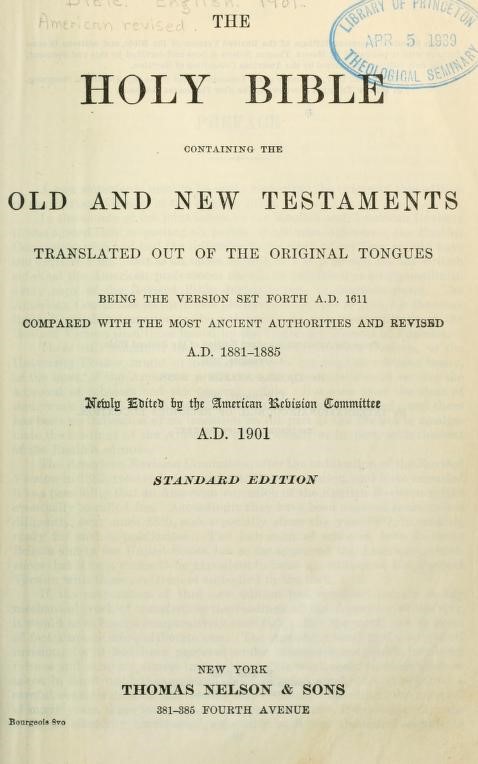
The King James Version of the Bible is a translation from the Old Testament Biblical Hebrew and the New Testament Coine Greek.
In the New Testament Coine Greek Mashiycha (Christ) confessed his own name to Saul in Biblical Hebrew. Because Saul asked him a question, “Who are you? (Acts 26:14-15).
Saul spoke both Greek and Biblical Hebrew (Acts 21:37-40, 22:1-3, 25-27).
However, Mashiycha’s (Christ’s) answer was only in response to Saul’s question, “Who are you? Not the original language he was conversing with Saul in.
In other words, the emphasis is Mashiycha’s (Christ’s) response to Saul’s question, “Who are you? Because Mashiycha (Christ) is the truth therefore his answer would be true (John 14:6).
So, he would have spoken his true name despite the language he was conversing with Saul in (Numbers 23:19 & John 14:6).
Just the same, if you had an opportunity to converse with Mashiycha (Christ) in English. And you asked the question, “Who are you? And he answered by confessing his name in Hebrew. Confirms he has a Hebrew name despite the conversation being in English.
The same was true with the conversation between Saul and Mashiycha (Christ).